How Technology Enhances Modern Livestock Management
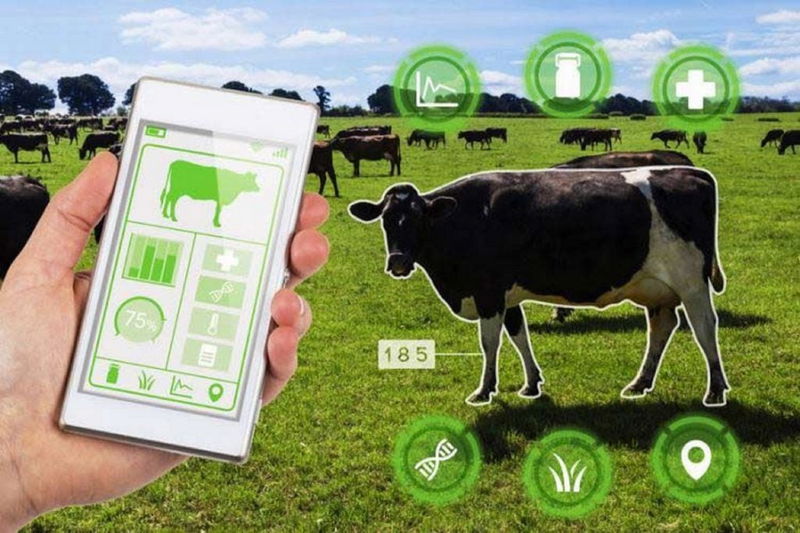
In today’s agricultural landscape, technology is transforming the way livestock is managed, tracked, and transported. Farmers and ranchers no longer rely solely on traditional methods; instead, innovative tools, data-driven solutions, and automation are improving efficiency, animal welfare, and overall productivity. From monitoring herd health to optimizing feed distribution and transport logistics, modern technology plays a pivotal role in streamlining livestock operations.
One of the most impactful advancements is the integration of digital platforms to manage livestock logistics. Using livestockway logistic solutions, farmers can track animals, schedule transportation, and ensure that the journey from farm to market is safe and efficient. These systems allow real-time updates, predictive analytics, and improved coordination, reducing stress on the animals and minimizing losses during transit.
Key Points:
Technology improves herd health monitoring through sensors and wearable devices.
Data-driven feed and nutrition management optimizes growth and productivity.
Modern transportation tools reduce animal stress and enhance logistics efficiency.
Digital platforms provide real-time tracking and predictive insights for livestock operations.
Automation and IoT devices enhance overall farm management and decision-making.
Advancements in Herd Health Monitoring
One of the core benefits of technology in livestock management is the ability to monitor animal health proactively. Wearable sensors, RFID tags, and IoT devices allow farmers to track vital signs, activity levels, and behavioral changes. Early detection of illness or abnormal behavior enables timely interventions, reducing the risk of disease outbreaks and improving animal welfare.
Wearable Devices and Sensors
Modern livestock wearables can monitor temperature, heart rate, and even rumination patterns. By analyzing this data, farmers can identify potential health issues before they become serious, ensuring that animals receive prompt care. Integration with farm management software allows seamless tracking of health records, vaccination schedules, and treatment history.
Optimizing Feed and Nutrition
Nutrition plays a crucial role in livestock productivity. Advanced feeding systems, guided by data analytics, ensure that each animal receives the appropriate diet based on its age, weight, and production goals. Automated feed dispensers can adjust portions in real-time, reducing waste and improving growth rates. By linking nutrition management with herd health data, farmers can make informed decisions that enhance overall herd performance.
Enhancing Transportation and Logistics
Transporting livestock can be stressful and risky if not properly managed. Technology is helping streamline logistics and ensure the safety of animals during transit. Tools like GPS tracking, route optimization, and environmental sensors allow farmers and transporters to monitor temperature, humidity, and animal movement in real-time. Platforms such as livestock logistic connect haulers and farmers efficiently, making the process smoother and more transparent.
Reducing Stress During Transit
Stress in livestock during transport can lead to decreased productivity, injury, or illness. Modern transport solutions monitor conditions inside trailers and provide alerts if any metric falls outside safe ranges. These insights allow timely interventions, such as adjusting ventilation, water supply, or route planning to minimize stress on the animals.
Data-Driven Decision Making
Data collection and analysis are at the heart of modern livestock management. Farm management software aggregates information from sensors, wearables, and logistical platforms to provide actionable insights. Predictive analytics help farmers forecast trends, optimize breeding schedules, and manage herd expansion. By leveraging this technology, operations become more efficient, costs are reduced, and overall productivity increases.
Automation and Smart Farm Management
Automation is increasingly becoming a cornerstone of livestock operations. From robotic milking machines to automated feeding systems, technology reduces manual labor and enhances accuracy. Smart farm management platforms allow centralized control of multiple farm functions, ensuring synchronization between feeding, health monitoring, and logistics. This holistic approach not only saves time but also improves the consistency and quality of care provided to livestock.
Practical Examples of Technology in Action
Consider a mid-sized cattle farm using RFID ear tags combined with a digital platform. Each animal’s health, location, and feeding patterns are recorded automatically. If an animal shows signs of illness, the system alerts the farmer immediately. Additionally, when transporting livestock to a processing facility, GPS-enabled trailers provide real-time tracking and environmental data, allowing adjustments to ensure safety and reduce stress. These technologies create measurable improvements in productivity, animal welfare, and operational efficiency.
Future Trends in Livestock Management
The future of livestock management is likely to see greater integration of artificial intelligence, machine learning, and advanced analytics. Predictive models could optimize breeding, feeding, and transport strategies with even greater precision. Blockchain technology may be used to verify supply chains and enhance transparency in the livestock industry. These innovations will continue to build on the foundation laid by current digital tools, making livestock operations safer, more efficient, and more sustainable.
FAQs
What are the main benefits of technology in livestock management?
Technology helps monitor animal health, optimize feeding, improve transportation efficiency, reduce stress, and provide data-driven insights for better decision-making.
How do wearable devices help in managing livestock?
Wearables track vital signs, activity, and behavior patterns, enabling early detection of illness and better health management.
Can technology reduce stress during livestock transport?
Yes, tools like GPS tracking, environmental sensors, and optimized routes help maintain safe and comfortable conditions for animals during transit.
What role does data analysis play in livestock management?
Data analysis allows farmers to make informed decisions regarding feeding, breeding, health interventions, and overall operational efficiency.
Are automated systems practical for small farms?
Yes, even small farms can benefit from scalable automation solutions for feeding, monitoring, and record-keeping, improving efficiency without excessive costs.
Comments
No comments yet. Be the first to comment!